
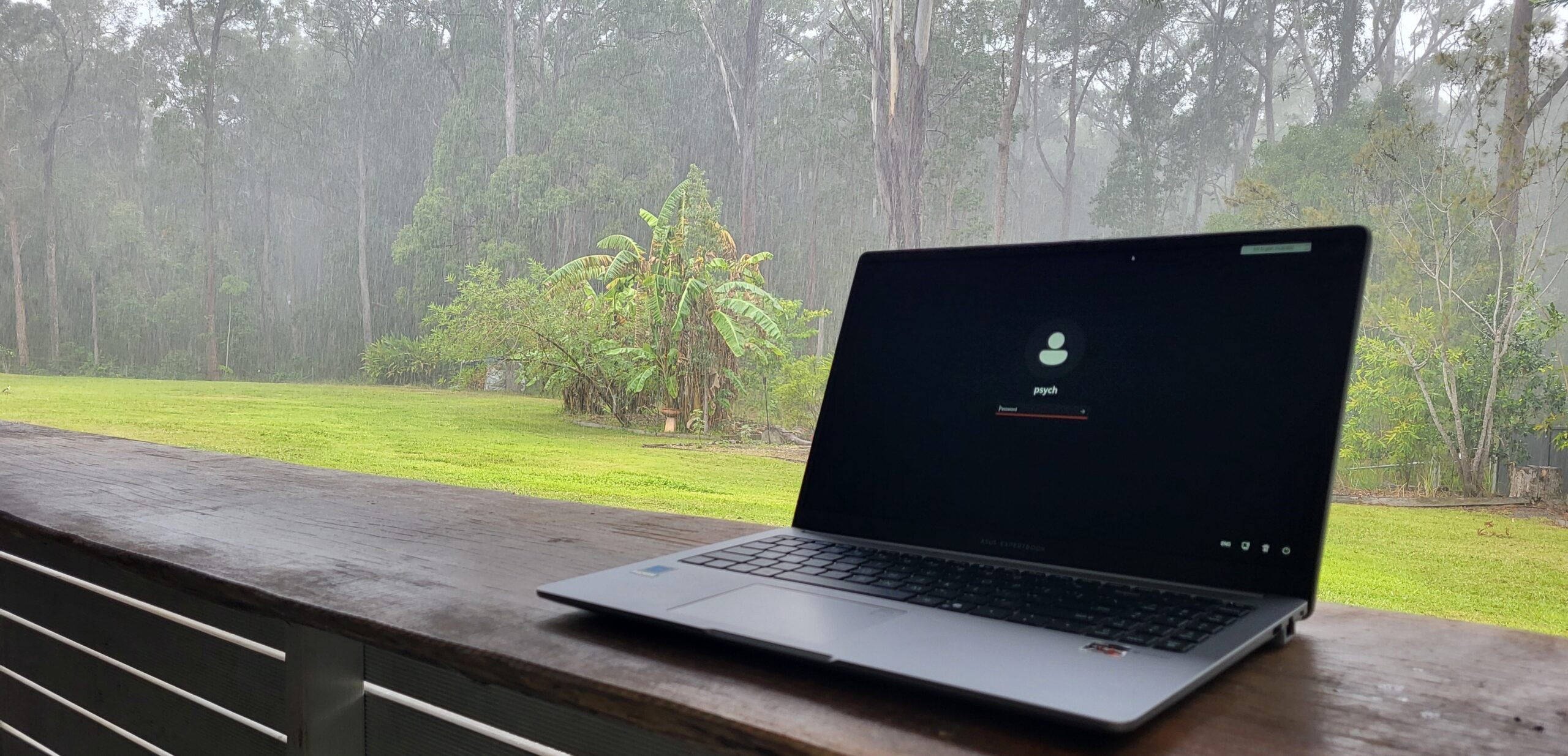
As I establish my practice in psychosocial recovery coaching, I’ve been reflecting on the importance of pace, listening, and genuine conversation within recovery-oriented work.
Recovery-oriented support involves practical goals and forward movement, whilst also taking the time to understand each person’s experiences, perspectives, and priorities through genuine conversation and listening. The timing and focus of support do vary from person to person, and trust and consistency often form an important basis for everything that follows.
Recovery-oriented work also recognises that support looks different for different people and at different stages of life. What feels manageable, meaningful, or important can change over time, which is why flexibility, communication, and mutual understanding matter within the support process.
As my practice develops, I will continue approaching this work thoughtfully, with respect for each person’s individual experiences, strengths, and direction.